Book Review: Fish in a Tree

A Story About Looking Beyond Labels
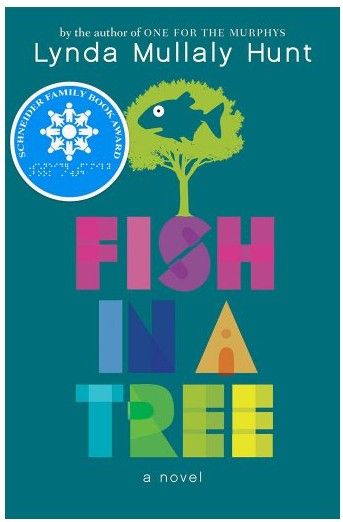
We recommend this book for homeschool families to read together!

For many homeschooling families, learning differences and disabilities are simply part of everyday life. One of the greatest strengths of homeschooling is the flexibility to meet children where they are, adapting education to fit their individual needs rather than expecting every child to learn in the same way.


Fish in a Tree by Lynda Mullaly Hunt tells the story of Ally, a bright and creative middle school student who has spent years hiding the fact that she struggles to read. After years of believing she isn't smart, a caring teacher helps her recognize that she simply learns differently. As Ally gains confidence and receives the support she needs, she begins to see the strengths that have always been there.


The novel has become a popular choice in classrooms because it explores themes of friendship, bullying, self-esteem, perseverance, and learning differences in an accessible way. While dyslexia is central to Ally's story, the broader message—that every child has unique strengths and deserves understanding—resonates with many families.

We asked two members of our community to share their thoughts after reading the book.

A Parent and Educator's Perspective

Alicia Marques-Jordan, Physical Education and Adapted Physical Education teacher, Unified Coordinator at Pleasant View Elementary School in Smithfield, Rhode Island, and mom of 15-year-old twins, shared:


"I first read Fish in a Tree with my fifth-grade students at the school where I teach, so when my daughter was assigned the book as a fourth-grade project, I already knew she would enjoy it. She had been best friends and a Unified partner to a girl with a disability, so many of the themes of empathy, acceptance, and understanding differences already resonated with her. Reading the book together gave us the chance to talk about Ally's struggles, her strengths, and the importance of looking beyond labels. We both found ourselves rooting for Ally and celebrating as she began to see in herself what others eventually came to recognize."

Another Parent's Perspective

Another homeschool parent offered a slightly different view of the novel:


"Fish in a Tree by Lynda Mullaly Hunt is a middle-grade novel about Ally, a girl who struggles with reading and writing. She is also an exceptional artist, using art as a way to cope with her struggle to accept herself and an outlet for her self-expression. The story follows her experiences in school as she develops friendships, gains confidence, and eventually learns that she has dyslexia. With the help of a supportive teacher, Ally begins her journey toward understanding her learning difference and self-acceptance.


Overall, the book does present some important topics that are worth discussing, like group dynamics, friendship and bullying, self-esteem, and the role of educators in supporting struggling students. Because the story takes place in a public school, the author leans heavily on a broader universal theme of overcoming obstacles and finding personal strengths, which is applicable across all various settings and in real life experiences. The author's intention is to make the main characters easy to relate to, but in some parts of the story the author draws on too many themes at once, making the story feel a bit watered down where it could really have the potential for deeper development.


It takes 31 chapters before dyslexia is brought up, and the next 21 chapters move quickly through a somewhat idealized resolution to a personal struggle. Readers looking for a more nuanced exploration of this theme or a deeper examination of dyslexia may find the novel is somewhat emotionally directed toward a predetermined outcome. The novel is both feel-good fiction that contains positive messages and it can serve as a conversation starter about individual learning experiences and learning differences in general. In my opinion, it may be most useful for parents who may wish to discuss how the story's depiction of self-perception, bullying, learning disabilities, and educational success compares with real-life experiences. The treatment of complex issues though is more optimistic and simplified than the realities many families encounter."

Our Take

Both reviewers agreed on one important point: Fish in a Tree opens the door to meaningful conversations.


For families who are just beginning to understand a learning difference such as dyslexia, the book can provide reassurance that children are more than their academic struggles. For families who have been navigating disabilities or learning challenges for years, the novel may feel more idealistic than reality. Even so, it offers an opportunity to discuss topics like self-confidence, advocacy, bullying, accommodations, and the many ways intelligence can be expressed.


Homeschooling families may also appreciate the chance to compare Ally's traditional school experience with the flexibility homeschooling can provide. Many parents choose homeschooling because it allows children to learn at their own pace, use teaching methods that match their learning style, and build confidence without the constant comparison that can occur in a classroom.

Whether your child has dyslexia, another learning difference, or simply enjoys stories about friendship and perseverance, Fish in a Tree is a thoughtful read that encourages empathy and reminds us that every learner deserves to be seen for their strengths—not just their struggles.

Link to author’s website:
https://lyndamullalyhunt.com/books/fish-in-a-tree/


The Rhode Island library system has over 50 copies, as well as CD, eBook, Large Print, Kindle and a Spanish edition. 


Share Article

Discover More

By Melissa Robb May 8, 2026
RI Introduces Bill H8531 Proposing Revised Homeschool Regulations
By Alyssa Crowder April 22, 2026
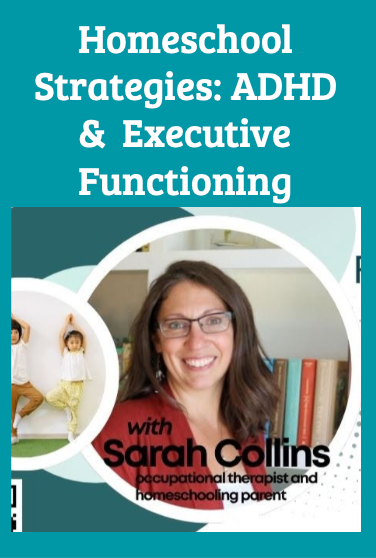
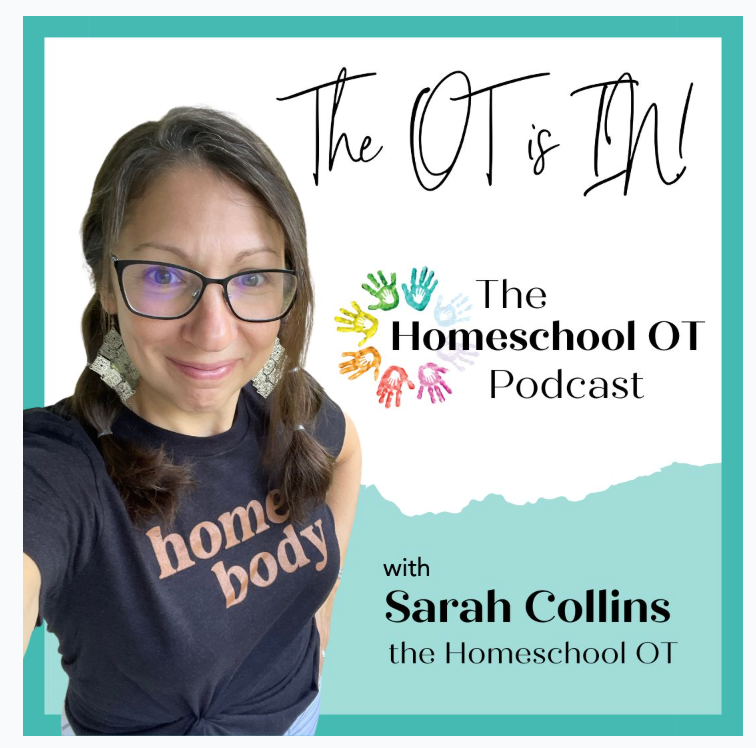
A Discussion with Sarah Collins: The Homeschool OT
By Melissa Robb April 3, 2026
A valuable resource to guide your planning
By Melissa Robb February 12, 2026
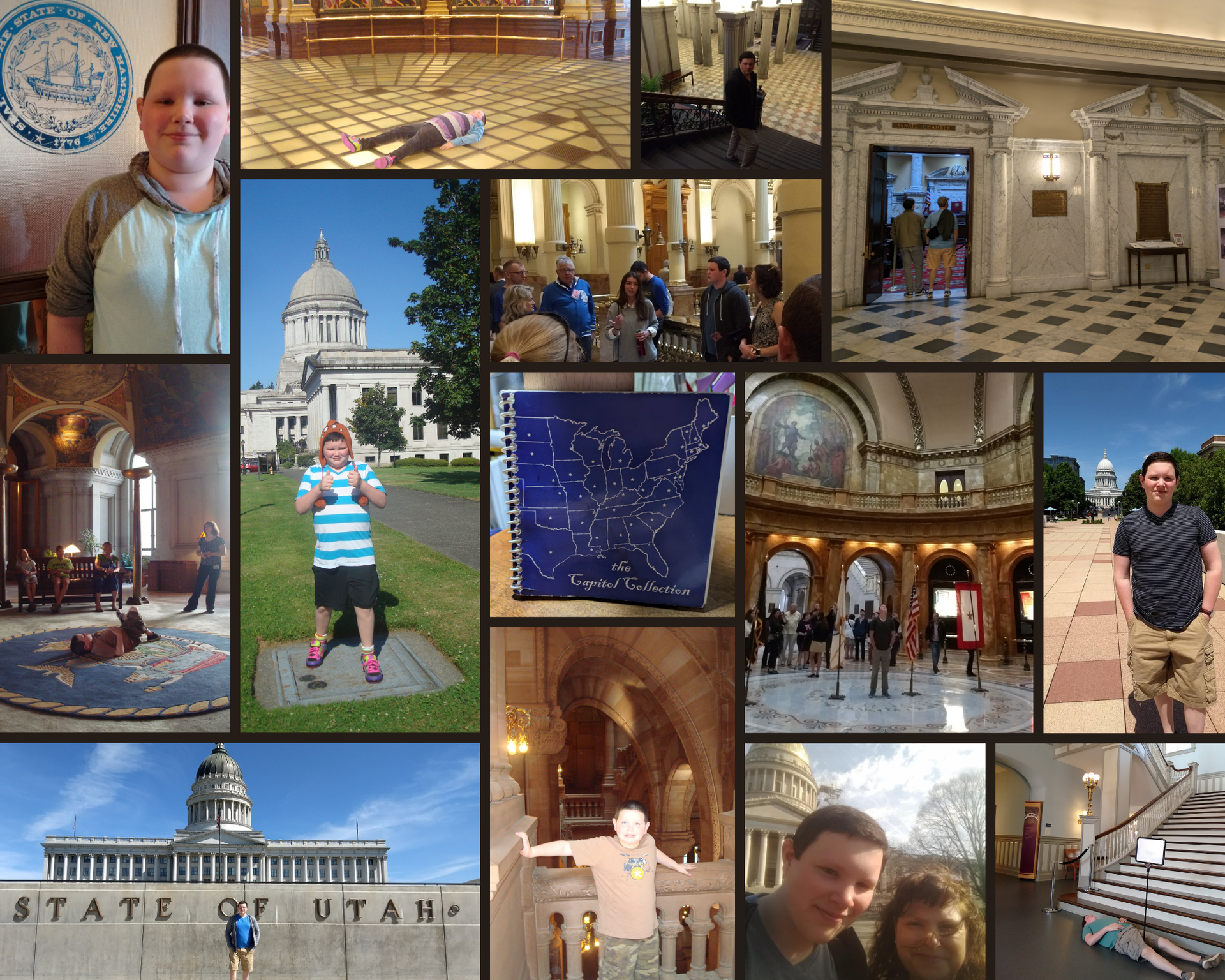
Some of the best learning my family has done didn’t happen sitting at the kitchen table. It happened walking through old buildings, asking questions, and seeing things with our own eyes. State capitol buildings are among our favorite stops, we learn so much about a state by visiting these unique and beautiful buildings. If your family likes to travel—or even just take day trips— The Capitol Collection is a wonderful way to turn those outings into something meaningful and memorable. It is a souvenir passbook ($15) that helps families keep track of visits to state capitol buildings. Each visit becomes more than just a stop along the way—it becomes part of your family’s story. Turning Trips Into Adventures Kids love having a purpose, and visiting capitols gives them one. Instead of just passing through a city, they’re exploring, noticing details, and looking forward to marking another visit in their book. Over time, those pages fill up with memories, and the learning happens naturally along the way. It doesn’t feel like “doing school”—it just feels like life. That’s one of the things I’ve always loved about homeschooling. Learning doesn’t have to be complicated to be meaningful. Our Family’s Story This means a lot to me because of our own experience. Our family has visited 22 state capitols so far. Our first recorded visit was Pierre, South Dakota in 2009 when my son was 10 years old , and at first it was just something fun to do while we traveled. I never imagined how much it would shape him. One of my favorite memories is a tradition he started. Whenever a capitol had a rotunda, he would lie down on the floor and just look up at the dome. He would study the paintings, the shapes, the light—just taking it all in and thinking what that epic element represented. Those quiet moments often turned into some of our best conversations later. At the Oregon state house we were even able to go up INTO the dome, what a climb! Over the years, those visits led to many talks about history, government, and how laws are made. The experience stayed with him so strongly that he even wrote about it in his law school application essay . Visiting state capitols has expanded to exploring government building internationally such as the Reichstag in Germany and Canada’s Parliament in Ottawa. As a parent, it’s an amazing thing to see something that started as a simple family outing become part of your child’s future. Most recently, we visited Maryland’s capitol during a trip to Annapolis. My son is a young man now and living on his own, but when we travel together, this is still something we do. That’s what makes experiences like this so special—they grow with your children. Why Capitol Buildings Are Such Powerful Learning Spaces State capitol buildings offer a unique blend of subjects all in one place: Civics and government come to life when children see legislative chambers and learn how decisions are made. Local history becomes tangible through exhibits, memorials, and stories tied to each state. Art and architecture surround you, often reflecting the values and culture of the region. Critical thinking and curiosity grow naturally as kids ask questions and make connections. Best of all, these lessons don’t feel forced. They happen through exploration and conversation—often led by the child’s own interests. A Journey Worth Remembering Looking back, I’m so thankful we took the time to stop, explore, and learn together. Those capitol visits weren’t just educational—they were time spent together, sharing discoveries and building memories we still talk about years later. Whether your family visits one capitol or dreams of all fifty, the important part isn’t the number. It’s the time spent learning side by side. (There is a Facebook group for this hobby. It’s small but would be a great way for families to share their experiences!)
By Melissa Robb January 6, 2026
Online and Local Resources for Trade School Exploration
By Alyssa Crowder November 17, 2025
"Thoughts about Tech in Homeschooling"
November 3, 2025
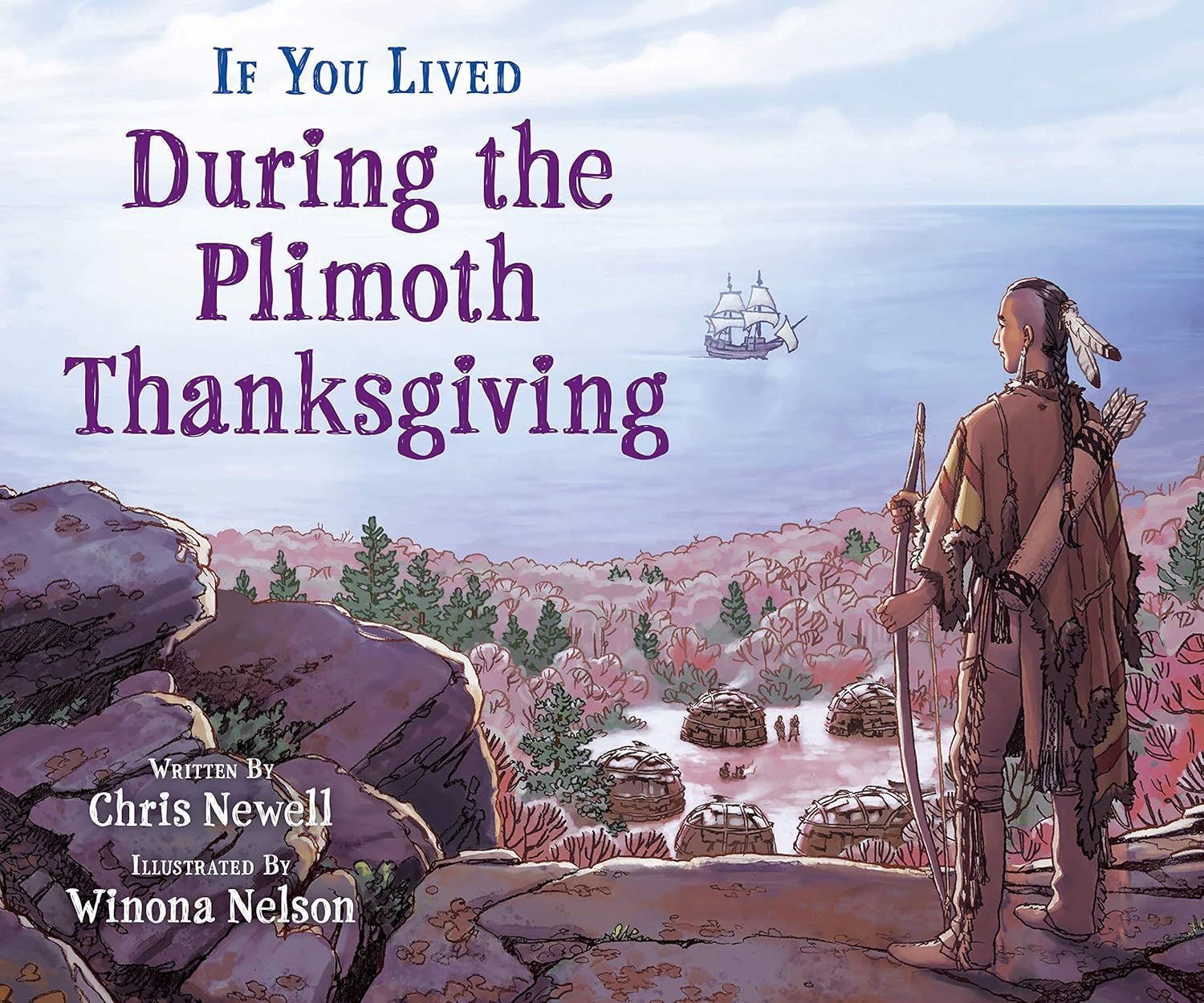
Book Review by ENRICHri's Marcia Sirois
By Alyssa Crowder August 28, 2025
How to Decide What to Study in High School
By Alyssa Crowder August 12, 2025
All About Homeschooling High School
By Alyssa Crowder August 12, 2025
AI for Middle Schoolers, High Schoolers and Adults
By Alyssa Crowder August 5, 2025
What is it and Does it Matter?
By Alyssa Crowder July 29, 2025
Am I Doing Enough? Advice from the Experts
By Alyssa Crowder July 22, 2025
What to Track and Keep
By Alyssa Crowder July 14, 2025
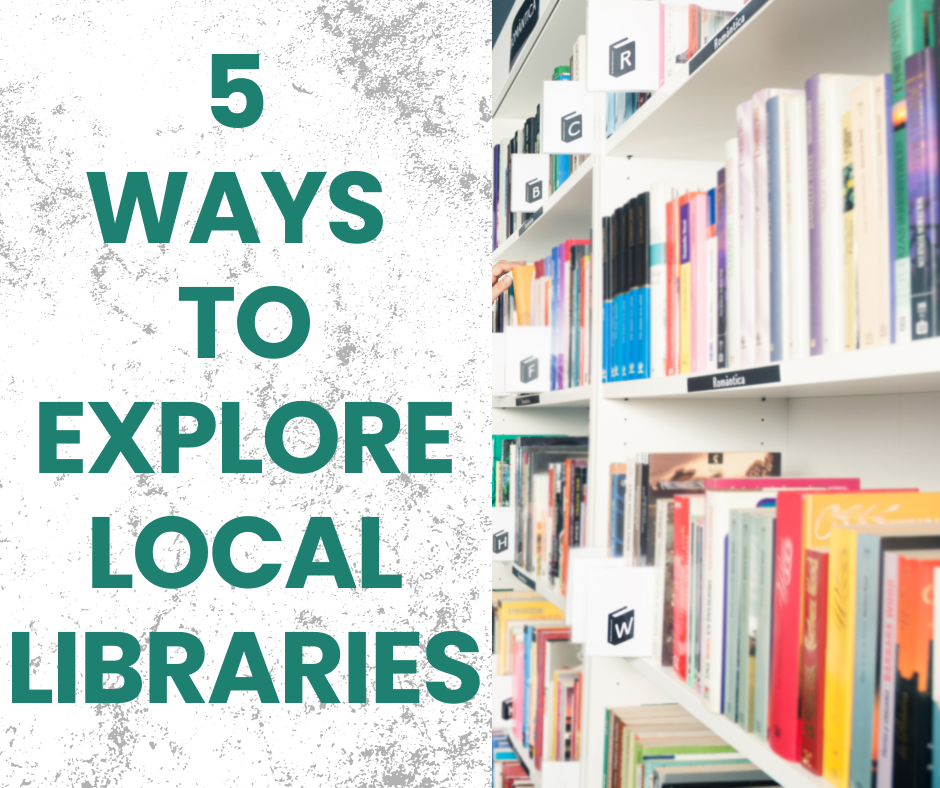
Go Beyond Just Checking Out Books
By Alyssa Crowder July 7, 2025
What You Need to Know About Dual Enrollment
By Alyssa Crowder June 30, 2025
Using StoryMaps to Answer Questions
By Alyssa Crowder June 23, 2025
Planning for Letters of Recommendation
By Alyssa Crowder June 16, 2025
Crafting Course Descriptions
By Alyssa Crowder May 21, 2025
Resources to Help Librarians Understand, Connect with and Support the Homeschoolers in Their Communities
By Alyssa Crowder April 6, 2025
Join with ENRICHri to fight for library funding!
By Melissa Robb February 21, 2025
What's in Your Control?
By Alyssa Crowder January 30, 2025
From Gummy Bears to Good Friends...
By Alyssa Crowder January 23, 2025
Finding your way back to a joyful homeschool
By Alyssa Crowder January 17, 2025
How do you navigate the role of parent and educator?
By Alyssa Crowder January 15, 2025
A Comprehensive List of Resources for the High School Years
By Melissa Robb December 20, 2024
The Real Experience Behind Truancy
By Alyssa Crowder October 30, 2024
A Joyful Addition to Stressful Days
October 12, 2024
You Can Homeschool on a Tiny or Non-Existent Budget
By Melissa Robb September 17, 2024
Resources for Studying Rhode Island History
By Alyssa Crowder September 12, 2024
Resources for Current Events
Show More