Four Resources for Election 2024
Resources about Elections and Voting for All Ages

As many of us return to our studies for the 2024-2025 year we are looking for ways to incorporate information and studies about the presidential election. Here are 4 resources that I’ve come across to help you! All are secular and non-partisan.
- Build Your Library
Election 2024 Unit Study (elementary)
Emily at Build Your Library has compiled a 3 week unit study for use by upper elementary (with suggestions for younger kids). This unit study is grounded on three books that provide the background on politics, the political parties, how government works, elections and campaigns in the United States. It also includes activities for students to research the current candidates, track votes as they come in, and more.
- iCivics Elections (all ages)
iCivics is a one-stop shop for government and political resources. This site includes planned unit studies on Elections and Voting and State and Local Government for middle and high schoolers as well as games, videos, infographics, webquests, and slide decks for all ages. This allows you to customize your own unit study. iCivics provides a good base on politics and elections and is informative and entertaining even for adults looking to brush up in this area but lacks current event materials.
- C-Span Classroom Campaign 2024 (middle school, high school)
C-Span provides video resources covering aspects of the 2024 election from the debates and the electoral college to campaign strategies and campaign finances to media coverage and polling. Videos are supplemented with lessons, discussion questions, handouts, and activities. Of particular note is a comprehensive section on the 2024 Presidential Election Process that takes students through 10 steps (from primaries to inauguration) by posing essential questions, presenting extensive current and historic video clips and asking students to summarize their learning.
- PBS LearningMedia Election Central (all ages)
PBS LearningMedia’s Election Central presents educators with material for preschool through high school from introducing basic civics concepts to following the current events in this year’s presidential race. The materials are mostly videos with activities and discussion questions mixed in and do include current events as well as principles of civics and elections. For middle and high school students there is a section on Media in Elections that includes “tools for identifying and avoiding misinformation online and the influence of algorithms and personalization in shaping our access to information.”
Share Article
Discover More
What Are You Giving Up for Convenience?
And What We Think You Should Know Before You Choose It
Creating Your High Schooler's Homeschool Transcript
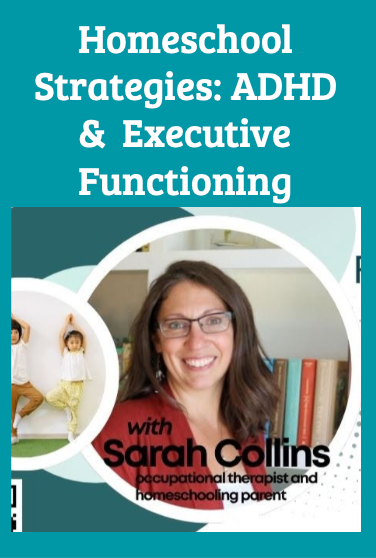
Strategies for Homeschoolers

Hints for Homeschool Families
A Story About Looking Beyond Labels
RI Introduces Bill H8531 Proposing Revised Homeschool Regulations
A Discussion with Sarah Collins: The Homeschool OT
A valuable resource to guide your planning
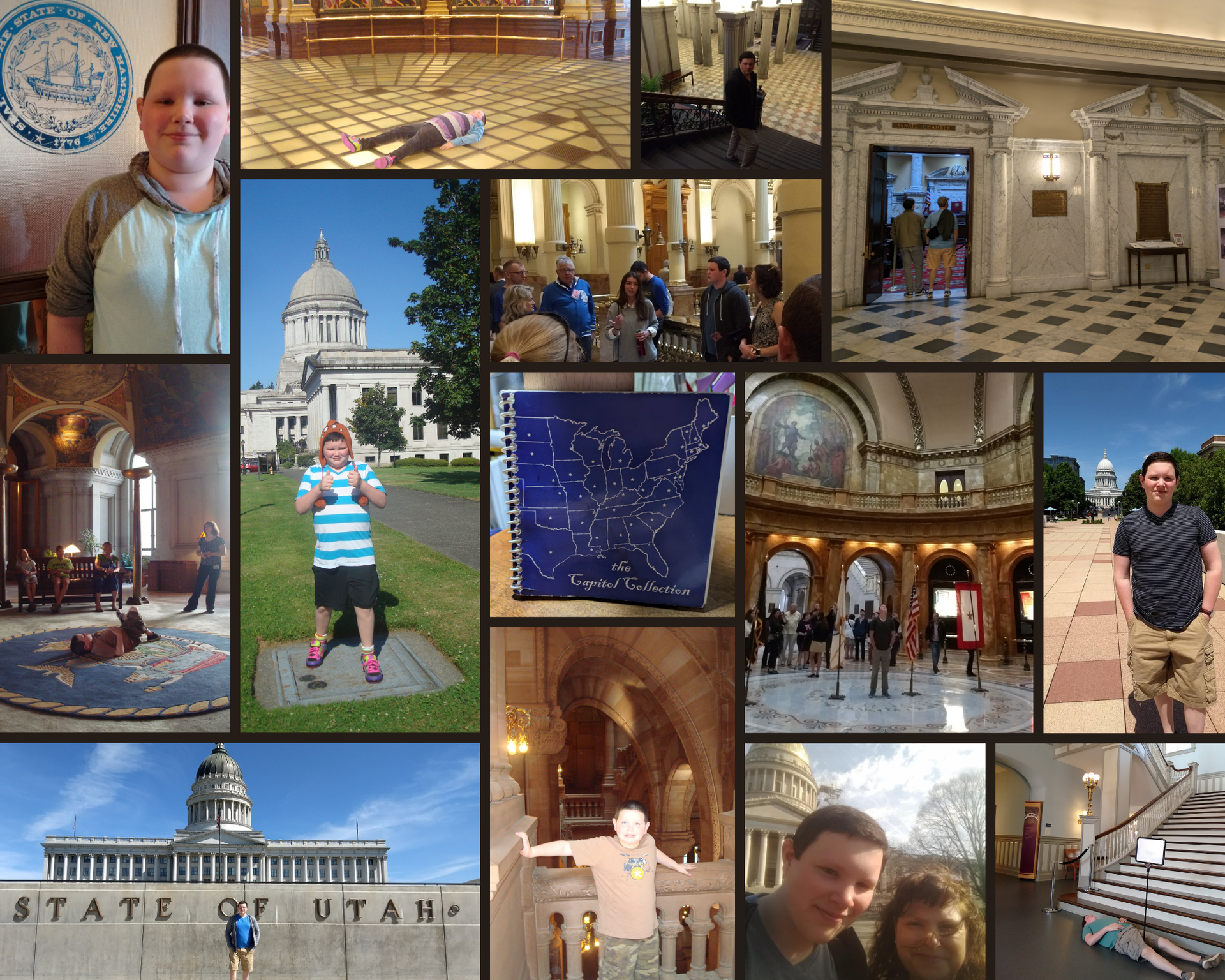
Some of the best learning my family has done didn’t happen sitting at the kitchen table. It happened walking through old buildings, asking questions, and seeing things with our own eyes. State capitol buildings are among our favorite stops, we learn so much about a state by visiting these unique and beautiful buildings. If your family likes to travel—or even just take day trips— The Capitol Collection is a wonderful way to turn those outings into something meaningful and memorable. It is a souvenir passbook ($15) that helps families keep track of visits to state capitol buildings. Each visit becomes more than just a stop along the way—it becomes part of your family’s story. Turning Trips Into Adventures Kids love having a purpose, and visiting capitols gives them one. Instead of just passing through a city, they’re exploring, noticing details, and looking forward to marking another visit in their book. Over time, those pages fill up with memories, and the learning happens naturally along the way. It doesn’t feel like “doing school”—it just feels like life. That’s one of the things I’ve always loved about homeschooling. Learning doesn’t have to be complicated to be meaningful. Our Family’s Story This means a lot to me because of our own experience. Our family has visited 22 state capitols so far. Our first recorded visit was Pierre, South Dakota in 2009 when my son was 10 years old , and at first it was just something fun to do while we traveled. I never imagined how much it would shape him. One of my favorite memories is a tradition he started. Whenever a capitol had a rotunda, he would lie down on the floor and just look up at the dome. He would study the paintings, the shapes, the light—just taking it all in and thinking what that epic element represented. Those quiet moments often turned into some of our best conversations later. At the Oregon state house we were even able to go up INTO the dome, what a climb! Over the years, those visits led to many talks about history, government, and how laws are made. The experience stayed with him so strongly that he even wrote about it in his law school application essay . Visiting state capitols has expanded to exploring government building internationally such as the Reichstag in Germany and Canada’s Parliament in Ottawa. As a parent, it’s an amazing thing to see something that started as a simple family outing become part of your child’s future. Most recently, we visited Maryland’s capitol during a trip to Annapolis. My son is a young man now and living on his own, but when we travel together, this is still something we do. That’s what makes experiences like this so special—they grow with your children. Why Capitol Buildings Are Such Powerful Learning Spaces State capitol buildings offer a unique blend of subjects all in one place: Civics and government come to life when children see legislative chambers and learn how decisions are made. Local history becomes tangible through exhibits, memorials, and stories tied to each state. Art and architecture surround you, often reflecting the values and culture of the region. Critical thinking and curiosity grow naturally as kids ask questions and make connections. Best of all, these lessons don’t feel forced. They happen through exploration and conversation—often led by the child’s own interests. A Journey Worth Remembering Looking back, I’m so thankful we took the time to stop, explore, and learn together. Those capitol visits weren’t just educational—they were time spent together, sharing discoveries and building memories we still talk about years later. Whether your family visits one capitol or dreams of all fifty, the important part isn’t the number. It’s the time spent learning side by side. (There is a Facebook group for this hobby. It’s small but would be a great way for families to share their experiences!)
Online and Local Resources for Trade School Exploration
"Thoughts about Tech in Homeschooling"
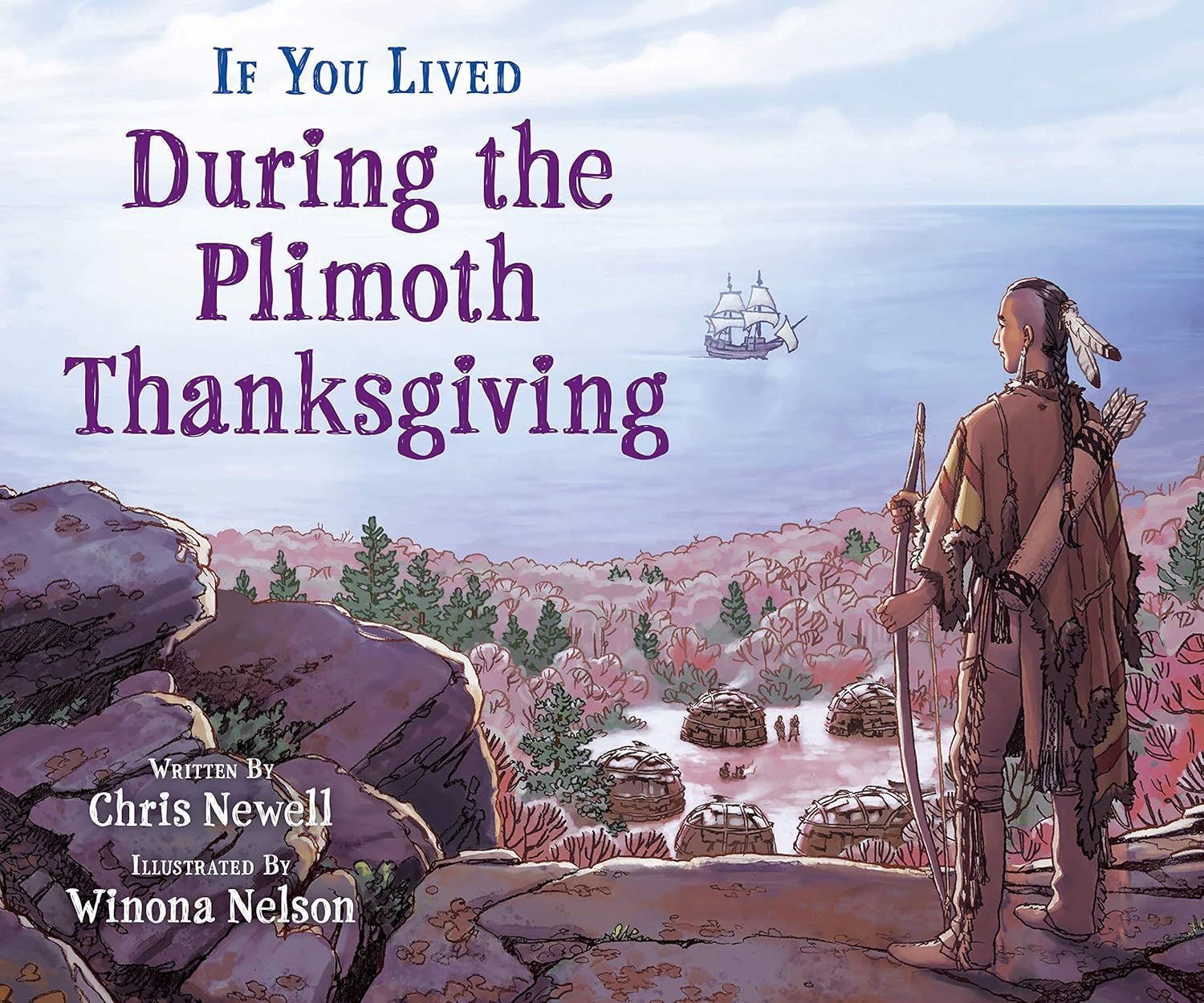
Book Review by ENRICHri's Marcia Sirois
How to Decide What to Study in High School
All About Homeschooling High School

AI for Middle Schoolers, High Schoolers and Adults
What is it and Does it Matter?
Am I Doing Enough? Advice from the Experts
What to Track and Keep
Go Beyond Just Checking Out Books
What You Need to Know About Dual Enrollment
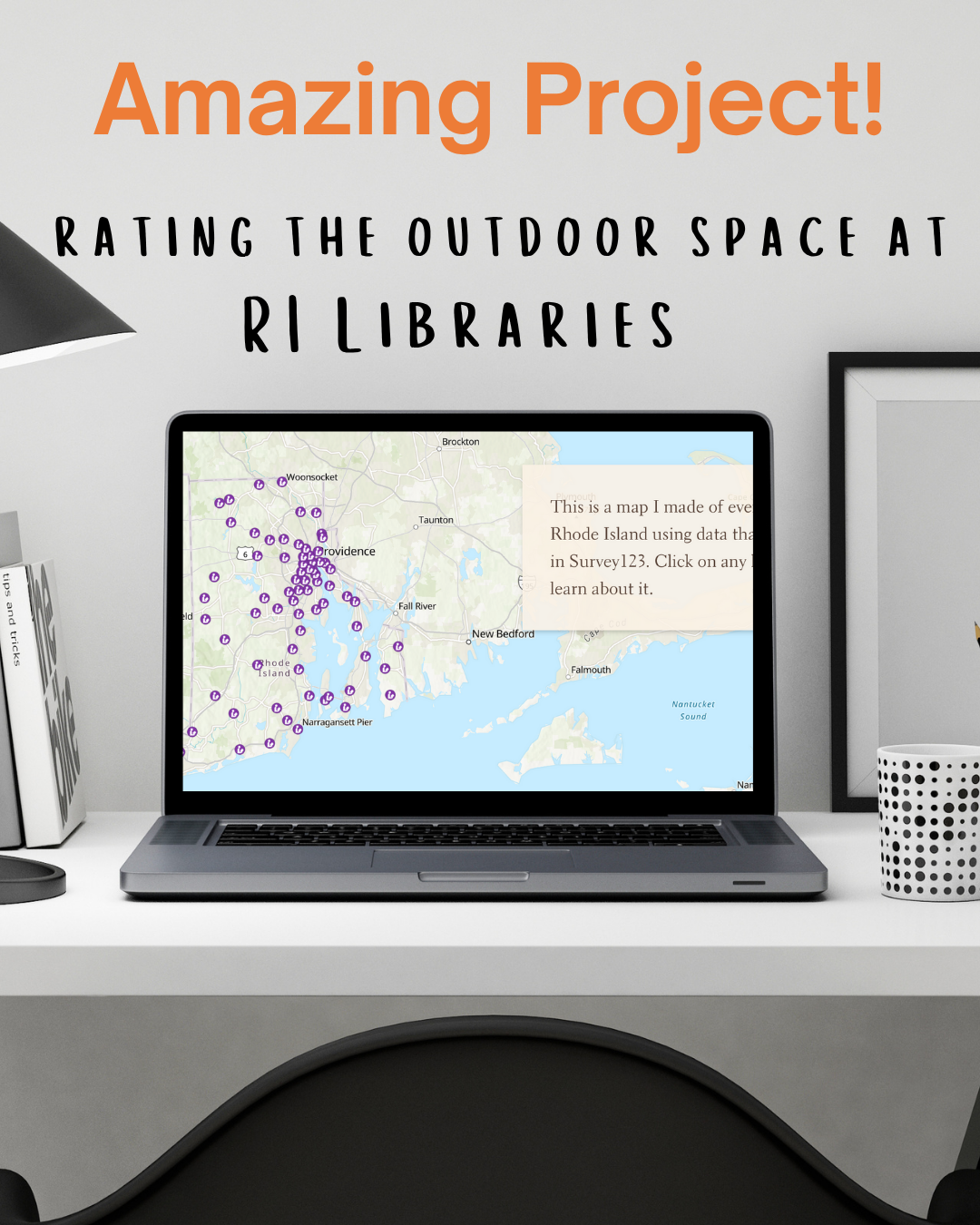
Using StoryMaps to Answer Questions
Planning for Letters of Recommendation

Crafting Course Descriptions
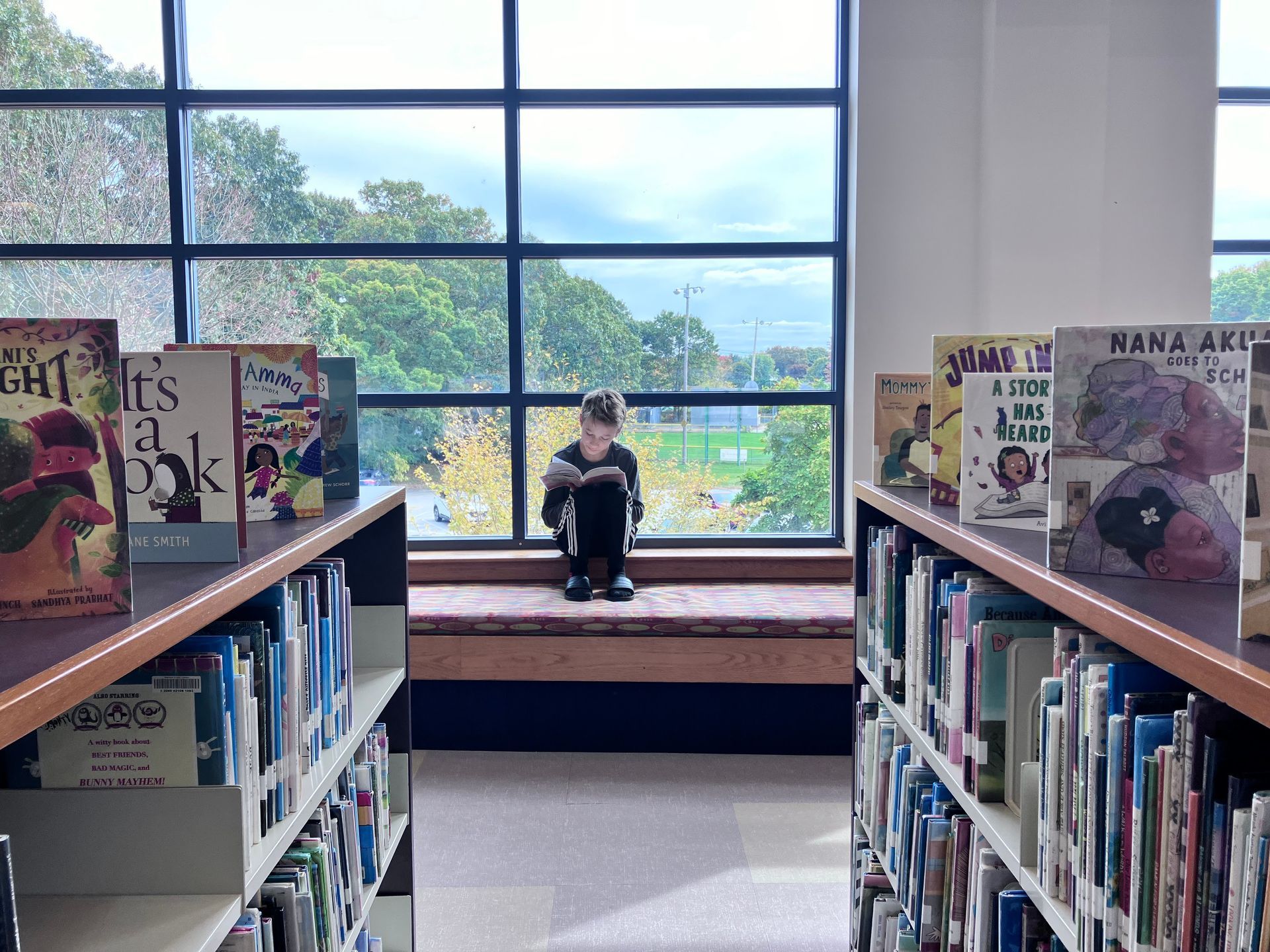
Resources to Help Librarians Understand, Connect with and Support the Homeschoolers in Their Communities

Join with ENRICHri to fight for library funding!
What's in Your Control?
From Gummy Bears to Good Friends...
Finding your way back to a joyful homeschool

How do you navigate the role of parent and educator?